Typically, the noise level of a generator during operation will largely depend on the fuel type it uses and its engine size. Fossil fuel generators, like diesel gensets, usually generate a lot of noise. When buying a diesel generator set, many people worry about the high levels of noise which may be a nuisance to surrounding residents. How to make diesel generator silent? Here are several useful tips to soundproof your generator:
1. Move your generator farther away
Increasing the distance between the diesel generator and yourself is a simple way to reduce the amount of noise you hear. Though moving your generator farther away from where you are doesn’t lower the noise produced by the generator, there will be less acoustic intensity and you won’t be affected by the loud sound. Generally, the noise can be reduced by six decibels if you double the distance.
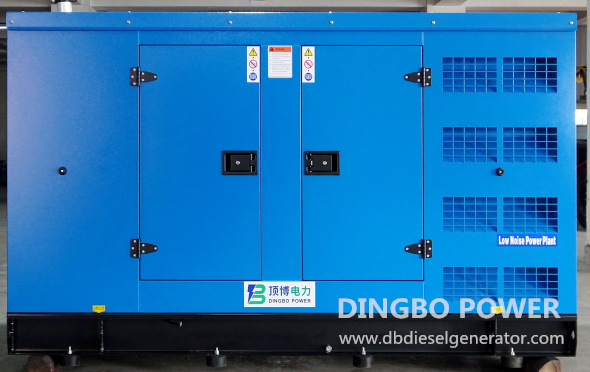
2. Install anti-vibration mounts or flexible joints
Installing anti-vibration mounts underneath the generator can reduce the number of sound waves, which will reduce vibrations and noise transmission. These mounts can be found made from rubber, springs, or dampers. Choose an option depending on the dB level you need to achieve. If you are on a tight budget, consider placing the generator on a soft surface. Fitting flexible joints between the generator and any connecting systems can also reduce noise transmission to surrounding structures.
Read more about: How to Choose Anti Vibration Mounts for Diesel Generators?
3. Use soundproof generator canopy or enclosure
Housing diesel generator sets inside generator canopies or enclosures is also an effective way to muffle the noise. A soundproof generator enclosure or canopy not only protects the genset from bad weather conditions such as rain, snow and strong winds, but also reduces noise by 50% or more. Generally, the more layers your generator box has, the quieter it will be.
4. Utilize acoustic Insulation
The generator canopies or enclosures themselves can limit the sound but may not create enough sound reduction, you can equip them with noise reduction materials. To reduce noise and reverberation within the generator enclosure/plant room, you’ll need to add acoustic insulation, involving lining hard surfaces with sound-absorbing materials or installing acoustic wall panels and ceiling tiles.
5. Create acoustic barriers
If your diesel generator is used in construction projects, outdoor events or for utility networks, creating acoustic barriers is also a good option to dampen the noise. In addition to generator enclosures, solid barriers like fences or walls can help dampen the sound before it ever reaches your ears. For larger installations, acoustic screens can be custom built and permanently installed.
6. Use attenuators
For large industrial generators, attenuators is the most effective way to reduce noise transmission. A sound attenuator is usually made of baffles and resonators, which can pull air through and reduce noise. Air passes between the splitters, which help to absorb sound by lessening the wavelength. An attenuation system can reduce noise to anything between 48–85 dBA at 1 meter. Generally speaking, the larger the attenuator, the greater the noise reduction.
7. Reposition the Exhaust pipes
Positioning the exhaust end of the generator can also reduce the noise. As the exhaust end is where most of the sound comes from, please remember to place this side of the generator facing away from your campsite when you use a diesel generator while camping. With some models of generators, it’s also possible to position the exhaust pipe vertically.
8. Replace the generator silencer
A diesel generator silencer can reduce noise and exhaust emissions produced during combustion. It muffles the sound coming out of the exhaust pipes attached to the motor of the generator. To effectively quiet down the generator, you can install a high-quality silencer that fits your generator. It’s not easy to find such a muffler, it’s suggested that you speak with the manufacture and make specific requests before buying the generator.
9. Use a bucket of water as a muffler
Water can also be used to dampen the noise from your diesel generator. Prepare a bucket of water and put it lower than your generator. Connect a hose to the exhaust pipe and divert your generator’s exhaust fumes into the full bucket of water. To prevent the water from flowing backward to the exhaust pipe, you can poke small holes in the hose. For safety, it shouldn’t be left unattended.
Hope the 9 tips on how to make diesel generator silent mentioned above will be helpful. If you are looking for a silent diesel generator but unsure which one is suitable for you, feel free to contact us. Dingbo power is a professional manufacture of generators with more than 17 years’ experience. Our experts can help you find cost-effective solutions for your specific power requirements. Feel free to contact us with any questions, concerns, or inquiries to learn more about the products & services we provide.
Comments
Post a Comment