Diesel generators are widely used as reliable power sources in various settings, from residential and commercial applications to industrial and emergency situations. Understanding the basic components, operation, and maintenance of diesel generators is crucial for their effective use. This article provides an overview of essential knowledge regarding diesel generators.
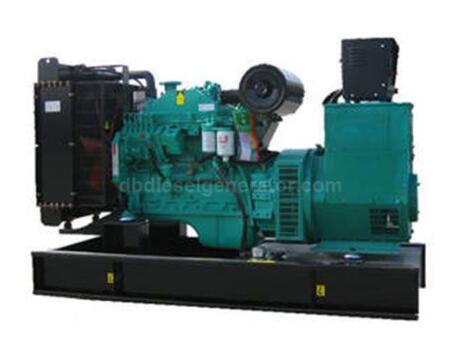
Components of a Diesel Generator
A diesel generator consists of several key components that work together to produce electricity. The main parts include:
Diesel Engine: This is the primary power source that drives the generator. The engine converts diesel fuel into mechanical energy through combustion.
Alternator: Connected to the engine, the alternator converts the mechanical energy into electrical energy. It consists of a rotor and a stator that work together to generate alternating current (AC).
Fuel System: This includes the fuel tank, fuel pump, and fuel lines, which supply diesel to the engine.
Cooling System: To prevent overheating, the generator is equipped with a cooling system, often using water or coolant.
Exhaust System: This system expels the gases produced during combustion. It includes an exhaust pipe and a muffler to reduce noise.
Control Panel: This is the interface for operating the generator. It includes controls for starting and stopping the generator, as well as monitoring systems for performance and diagnostics.
Battery: The battery provides the initial power needed to start the engine.
Operation of a Diesel Generator
The operation of a diesel generator involves several steps:
Starting the Engine: The control panel is used to start the engine, drawing power from the battery.
Fuel Combustion: Diesel fuel is injected into the engine's combustion chamber, where it mixes with air and ignites under high pressure. This combustion process generates mechanical energy.
Energy Conversion: The mechanical energy produced by the engine turns the rotor in the alternator, generating electrical energy.
Power Delivery: The generated electricity is then delivered to the connected load, whether it be a building, machinery, or an entire grid.
Monitoring and Regulation: The control panel continuously monitors the generator's performance, including voltage, current, and frequency, ensuring stable power output.
Advantages of Diesel Generators
Diesel generators offer several advantages, making them a popular choice for various applications:
Reliability: Diesel engines are known for their durability and reliability, capable of running for extended periods with minimal maintenance.
Fuel Efficiency: Diesel fuel is more energy-dense than gasoline, providing more power per unit of fuel, which translates to lower operating costs.
Longevity: With proper maintenance, diesel generators can have a long operational life, often outlasting other types of generators.
Versatility: Diesel generators are available in a wide range of sizes and power capacities, suitable for different applications from small homes to large industrial complexes.
Maintenance of Diesel Generators
Regular maintenance is essential to ensure the longevity and reliable performance of diesel generators. Key maintenance tasks include:
Routine Inspections: Regularly inspect the generator for signs of wear, leaks, or damage.
Oil and Filter Changes: Change the engine oil and filters as recommended by the manufacturer to ensure smooth operation.
Fuel System Maintenance: Check for fuel contamination and clean the fuel system components periodically.
Battery Maintenance: Ensure the battery is charged and in good condition, as it is critical for starting the engine.
Coolant System Check: Regularly check the coolant level and condition to prevent overheating.
Applications of Diesel Generators
Diesel generators are used in various settings, including:
Emergency Power: Providing backup power during outages for homes, hospitals, and data centers.
Industrial Use: Powering machinery and equipment in manufacturing and construction sites.
Remote Locations: Supplying electricity in areas without access to the main power grid.
Events: Providing temporary power for outdoor events and gatherings.
Conclusion
Diesel generators are essential power sources known for their reliability, efficiency, and versatility. Understanding their components, operation, and maintenance is crucial for maximizing their benefits and ensuring safe usage.
If you have any questions about diesel generators or need assistance in finding a reliable supplier, please contact us. We are dedicated to providing high-quality products and expert support for all your power generation needs.
Comments
Post a Comment