In today's society which is highly dependent on electricity, the healthcare industry has particularly stringent requirements for the stability and reliability of electricity. Hospitals are institutions providing medical and surgical treatment and nursing care for sick or injured people. The continuity of the power supply for hospitals is directly related to the life safety and treatment effect of patients. When the power goes out, patients and facility operations can suffer. Therefore, healthcare facilities such as hospitals can’t rely on the main power grid alone to provide their electricity. It’s essential for them to have backup generators that can ensure continuous operation even in the event of a power outage.
Hospital backup generators must power a large number of vital machinery, such as life support equipment and intravenous dispensing systems, to keep moving in case of an emergency. Regulatory agencies have imposed strict hospital backup generator requirements. There are two main types of generators used for hospitals: natural gas generators and diesel generators. Diesel generators are commonly used in healthcare facilities due to their reliability, durability and versatility. So how to choose hospital backup diesel generator sets?
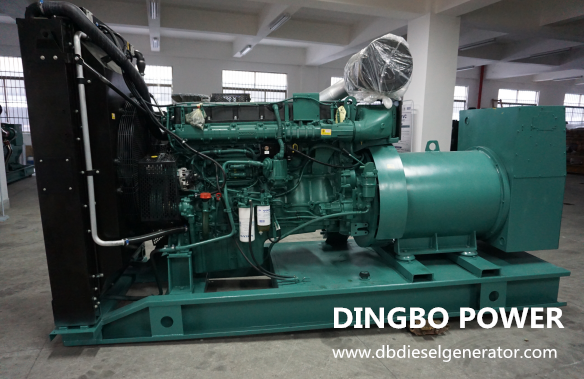
Generator size and requirements
When selecting hospital backup diesel generator sets, the power needs for hospitals should be determined. This requires a detailed assessment and calculation of all critical loads in hospitals, including medical equipment in areas such as operating rooms, intensive care units, emergency rooms, and electricity requirements for infrastructure such as lighting and air conditioning. When choosing the generator output for hospital backup generators, select a rating that is approximately 20 to 25% higher than the peak load. A higher rated generator will operate comfortably at approximately 80% of its full capacity and will provide a margin of flexibility if the load increases in the future. Thus, it’s necessary to collaborate with facility management professionals to ensure alignment with a facility’s exact needs.
Fuel efficiency and reliability
Hospital backup diesel generator sets should have performance stability and reliability. The generator sets should maintain a stable output voltage and frequency when running for a long period of time during prolonged outages, ensuring the normal operation of medical equipment. At the same time, hospital backup generators should also have fuel economy and ability to operate with low noise in order to reduce operating costs and not affect the well-being of patients. In addition, the control systems of the generators should be advanced and reliable, with fault diagnosis and automatic protection functions to improve the overall reliability of the system.
Locations
Generally, to protect the generators from elements, most hospitals design or select a specific room for their generators. A generator room should have proper ventilation, lighting, insulation, fire protection and an efficient layout. Therefore, when choosing a location for these units, consider vibration impact, accessibility to trained staff, and good ventilation and sound mitigation. Make sure the generator rooms adhere to local building, fire, emissions and zoning codes.
Automatic switches for healthcare facilities
In the event of a power cut, hospital backup diesel generators should be quickly started and automatically switched to the emergency power supply mode to restore the power supply in the shortest time. A 10-second-or-less transfer time to ensure quick restoration of power is required. Therefore, each hospital generator should be equipped with an automatic transfer switch (ATS). With these switches, generators can kick in automatically when an outage from the main power grid is detected. Then, when the main power returns, these switches turn off the generators. In a hospital or healthcare facility, this switch is essential for meeting standards and protecting lives.
Intelligent management and remote monitoring system
The intelligent management and remote monitoring system, such as Dingbo Cloud service, is also important for hospital backup diesel generators. The platform has intelligent management capabilities, including remote monitoring, fault diagnosis, automatic load adjustment and other functions, which enable the operators to check the operating status and fault messages of the generator sets in real time, improving the operation efficiency and reliability of the backup generators. At the same time, the remote monitoring function can also help the operators to monitor and manage the generators remotely, reducing labor costs and improving work efficiency.
In summary
Diesel generators are an indispensable power support equipment for healthcare facilities. Choosing a right hospital backup diesel generator is essential. When selecting hospital generators, consider factors including generator size, performance stability, quick start capability, locations, intelligent management, brand and after-sales service, etc. Make sure the generators meet the actual needs of hospitals and protect the life safety of patients. With the continuous development of medical technology and the growing demand for electricity, healthcare facilities should also pay close attention to the latest developments and technical progress of the diesel generator industry in order to upgrade equipment in a timely manner and improve the level of power guarantee.
Comments
Post a Comment