Diesel generator sets are widely used to provide backup power in various settings, from residential homes to industrial facilities. Efficiency is a key consideration when operating a diesel generator, as it impacts fuel consumption, operating costs, and overall performance. One crucial factor that influences the efficiency of a diesel generator is the load it operates at. In this article, we explore the relationship between load conditions and efficiency in diesel generator sets.
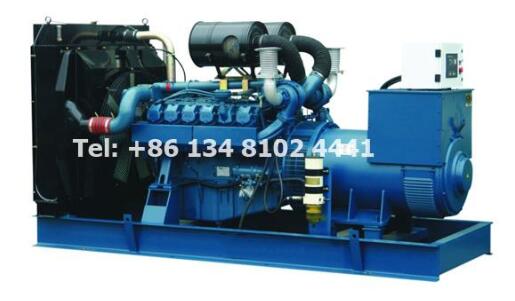
Understanding Load Conditions
The load on a diesel generator refers to the amount of electrical power it is required to supply at any given moment. Load conditions can vary significantly depending on factors such as the number and type of electrical devices connected to the generator, as well as changes in demand over time. Generators are designed to operate within a range of loads, from light loads where only a fraction of their capacity is utilized to full-load conditions where they are supplying maximum power output.
Idle or Light Loads
At idle or light loads, where the generator is supplying minimal power relative to its capacity, efficiency tends to be lower compared to higher load conditions. This is because diesel engines have a minimum fuel consumption rate even when operating at low loads. Running a generator at idle or light loads results in a higher proportion of fuel being consumed relative to the amount of electrical power generated, leading to decreased efficiency. In addition, operating at low loads for extended periods may also cause issues such as carbon buildup and reduced engine longevity.
Optimal Operating Range
The most efficient operating range for a diesel generator is typically between 70% and 90% of its rated capacity. At these load levels, the generator is operating closer to its peak efficiency point, where fuel consumption per unit of electrical output is minimized. Diesel engines are designed to achieve maximum thermal efficiency within this range, resulting in optimal fuel utilization and reduced operating costs. Operating within the optimal range also helps prolong the lifespan of the generator by minimizing wear and tear on engine components.
Overloading and Efficiency Loss
While diesel generators can handle occasional overloads beyond their rated capacity, sustained operation at high loads can lead to decreased efficiency and potential damage to the engine. Overloading a generator beyond its capacity causes increased fuel consumption and heat generation, resulting in reduced efficiency and reliability. Additionally, running a generator at full load for prolonged periods may exceed its cooling capacity, leading to overheating and accelerated wear on components. It's essential to avoid overloading a diesel generator to ensure optimal efficiency and longevity.
Conclusion
In conclusion, the efficiency of a diesel generator is influenced by the load conditions at which it operates. While light loads and idle conditions may result in decreased efficiency due to higher fuel consumption rates relative to power output, operating within the optimal load range can maximize fuel utilization and minimize operating costs. Overloading a generator beyond its capacity can lead to efficiency loss, increased fuel consumption, and potential damage to engine components. By understanding the relationship between load conditions and efficiency, operators can optimize the performance and reliability of diesel generator sets.
If you need high-quality diesel generator sets or expert guidance on power solutions, don't hesitate to contact us. As a trusted supplier of power generation equipment, we're committed to providing reliable products and tailored solutions to meet your specific needs.
Comments
Post a Comment