The air leakage in the intake system of the diesel engine of the 150kw Cummins generator will cause air to directly enter the diesel engine cylinder for combustion, without the need for filtration. Dust and mechanical impurities in the air can cause early wear of parts such as cylinder liners, pistons, and piston rings, leading to a decrease in diesel engine power and an increase in fuel consumption. The simple method to check for air leakage in the intake system of a diesel engine is:
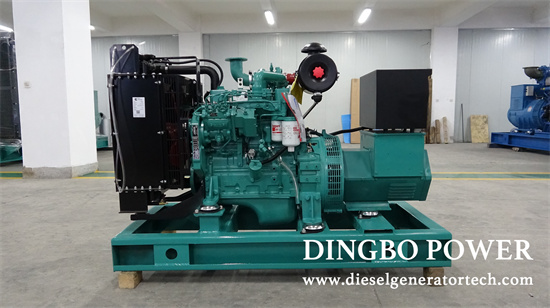
1. Remove the air filter cover, accelerate slightly, and let the diesel engine run at medium speed. At this point, block the intake port to prevent air from entering the cylinder through the intake port of the filter, and observe the operation of the diesel engine. If the diesel engine speed drops rapidly within a few seconds, the exhaust pipe emits black smoke, and the engine automatically stalls, it indicates that there is no leakage in the intake system; If the speed of the diesel generator gradually decreases, the exhaust pipe emits black smoke, but it can still run, and the engine itself stops for a long time, it indicates a slight air leakage; If the diesel engine continues to work and the smoke emitted cannot be extinguished on its own, it indicates that there is air directly entering the cylinder without being filtered by the air filter, indicating severe air leakage in the intake system.
2. Install the air filter cover and carefully inspect the areas where the intake system may leak air. When the diesel generator is running, use a small piece of paper to stick the joint. If the small piece of paper floats, it indicates that there is air leakage; If you take a small piece of paper, it indicates more severe air leakage.
The absolute sealing of the intake system of a 3.150kw Cummins generator is crucial for extending the service life of diesel engine pistons, piston rings, and cylinder liners, and must be guaranteed.
Check the exhaust system resistance of the diesel generator. When the resistance of the intake and exhaust system of a diesel engine increases, the following consequences will occur:
1. When the resistance of the intake system increases, the intake is insufficient, and the diesel engine experiences problems such as insufficient power and black smoke.
2. When the resistance of the exhaust system increases, the exhaust is not smooth, and the diesel engine may experience serious faults such as insufficient power, black smoke, red exhaust pipes, overheating, and cylinder pulling.
3. To avoid excessive resistance in the intake and exhaust, it is necessary to regularly check the smoothness of the air filter element and exhaust muffler of the diesel generator to ensure that the resistance of the entire system is within the allowable range. For example, the required intake and exhaust system resistance for the Cummins 6BT diesel engine is:
1) The maximum intake resistance is 0.00374mpa, and the air filter resistance is less than 0.00623mpa;
2) The maximum exhaust back pressure is 0.01013mpa;
3) The requirement for the diameter of the exhaust pipe is 102mm;
4) The exhaust temperature shall not exceed 700 ℃ in front of the turbocharger and shall not exceed 550 ℃ behind the turbine.
Dingbo Power was founded in 1974 and is one of the earliest manufacturers of generators and diesel generator sets in China. If you want get more information, please feel free to send email to sales@dieselgeneratortech.com we will pay highly attention on your question.
Comments
Post a Comment