
Compression Process of Diesel Generator

When the piston of the diesel generator moves up and down, the intake valve opens, and the fresh air filtered by the air filter of the diesel generator enters the cylinder to complete the intake stroke. The diesel generator or diesel generator plug moves from bottom to top, the inlet and exhaust valves are closed, the air is compressed, the temperature and pressure increase, and the compression process is completed. When the piston is about to reach the top, the fuel injector of the diesel generator sprays the filtered fuel into the combustion chamber of the diesel generator in the form of mist and mixes it with high temperature and high pressure air to ignite and burn automatically immediately. The high pressure formed pushes the piston of the diesel generator downward to work, drives the crankshaft to rotate, and completes the work stroke.
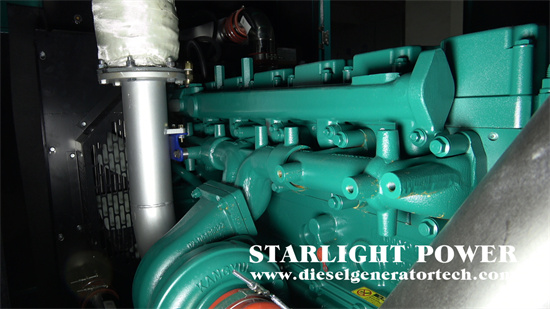

emergency generator


After the work stroke of the diesel generator is completed, the piston of the diesel generator moves from down to up, and the exhaust valve opens to exhaust, completing the exhaust stroke. The crankshaft of diesel generator rotates for half a turn per stroke. After several working cycles, the diesel generator gradually accelerates to work under the inertia of the flywheel. When the crankshaft of the diesel generator rotates, it drives the diesel generator to rotate and generate electricity. When the genset drives the generator armature to rotate, there is residual magnetism in the magnetic pole iron core of the diesel generator. So the armature coil cuts the magnetic line of force in the magnetic field. According to the principle of electromagnetic induction, the current is generated by the magnetic induction of the diesel generator and output through the carbon brush.


The rotor is driven by the diesel generator to cut the magnetic line of force axially. The magnetic poles in the stator alternately form an alternate magnetic field in the diesel generator coil core. The rotor rotates once, and the direction and size of the magnetic flux change for many times. Due to the transformation of the diesel generator magnetic field, the diesel generator coil will generate an induced current that changes in size and direction, and the diesel generator stator coil will deliver the current. In order to protect the electrical equipment and maintain the normal operation of the diesel generator, the current sent by the diesel generator also needs to be regulated and controlled by the regulator.


Starlight has professional manufacturing technology, modern production technology, advanced testing equipment, electrical, noise reduction, silencing, environmental protection and other professional and technical personnel. According to the different needs of customers, it provides self starting, parallel operation, microcomputer monitoring and other supporting generator set equipment. From the machine room design, installation and commissioning, noise reduction engineering, unit maintenance, parts supply and other complete services, it can meet the power needs of each user and normal use. If you would like to get more information welcome to contact us via sales@dieselgeneratortech.com.

Comments

Popular posts from this blog

Diesel Generator Power Ratings: Standby vs Prime vs Continuous

Diesel generator sets are commonly used in a variety of sectors due to their dependable performance and high efficiency. They can be used for emergency power supply in the event of a power cut or used in places without connection to a power grid. When selecting a diesel generator for your home or business, you need to consider many factors, such as generator’s ratings. In this article, we’ll explain the three basic rating types - standby, prime, and continuous in diesel generators. ISO-8528-1:2018 defines basic generator set rating categories based on four operational categories: Emergency Standby Power (ESP), Prime Power (PRP), Continuous Power (COP) and Limited-Time Running Prime (LTP). Read on and learn the application of power ratings for engines used in generating sets. Standby Power Rating Standby Power(ESP) is used to supply emergency power when the external power supply is interrupted, such as power outages. Standby power rated generators can supply reliable electricity as t...

How to Connect A Diesel Generator to Your House?

Diesel generators are fuel-efficient and reliable, which can almost meet the power needs of any application. If you want to power the whole house during power shortages, it’s a good choice to choose a diesel generator set as the backup electricity supply. But how to connect a diesel generator to your house? Read on and you will find the answer. Options to connect a diesel generator to your home   Keep in mind that never plug your generator directly into the mains, or it will cause back feeding, damage your appliances and be life-threatening for utility workers. Generally, you can choose to connect a generator to your house by using extension cords or a transfer switch. Understanding the difference between them is helpful for you to choose the right type. Extension cords   Typically, extension cords are suitable for smaller diesel generators that used for short term. They require no installation and are cost-effective. If you need to power only some basic appliances such as...

What Should You Pay Attention to in Routine Maintenance of Diesel Generator Sets

In modern society, the stability of power supply is directly related to the operation efficiency of enterprises and people's quality of life. Diesel generators have become an indispensable backup power supply or main power source in various industries due to their high efficiency, durability and reliability. However, to ensure the smooth operation and optimal performance of the generator sets, regular maintenance is essential. Here is what you need to pay attention to in the routine maintenance of diesel generators. Keep your generator clean It’s important to keep the generator’s exterior and the generator room clean. Regularly remove any dirt, dust, or debris that may accumulate to on the generator’s surface. This is not only for the sake of beauty, but also for the smooth operation of the unit. Cleaning the generator’s exterior, air intake vents, exhaust outlets and generator room can effectively reduce the risk of generator overheating. In addition, check if the connection bol...